Table of Contents
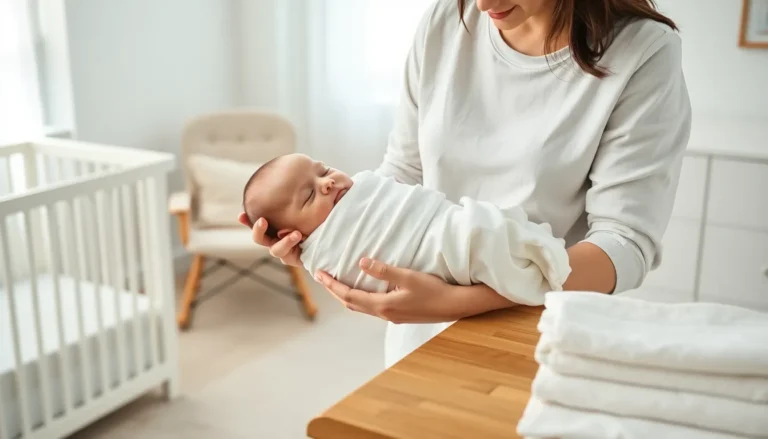
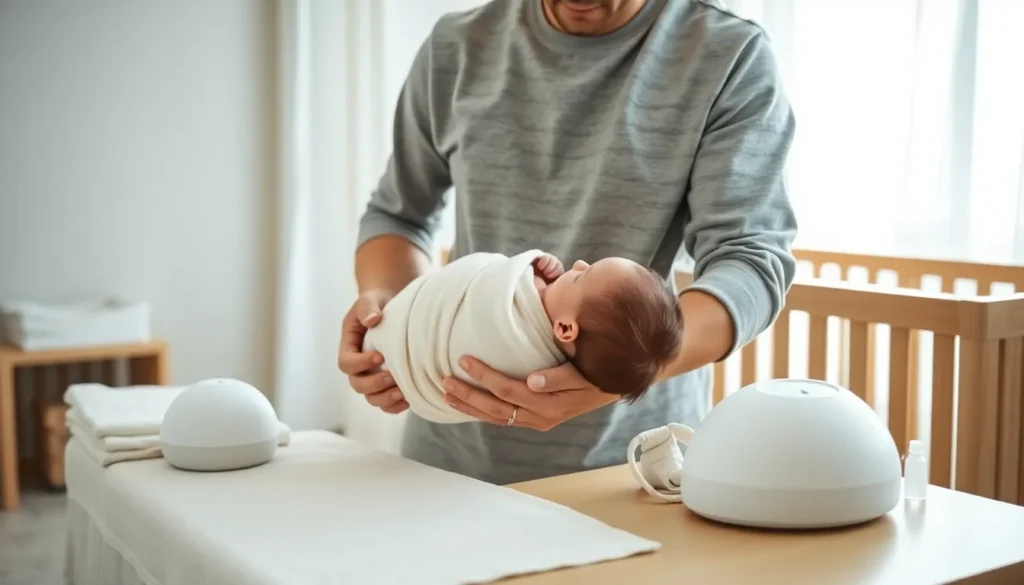
ToggleSwaddling and soothing examples can transform fussy nights into peaceful sleep for both babies and parents. New parents often feel overwhelmed when their newborn cries inconsolably. The good news? Simple techniques exist that mimic the comfort of the womb and help babies relax. This guide covers proven swaddling methods, effective soothing strategies, and practical tips for calming your baby. Whether you’re a first-time parent or looking for new approaches, these swaddling and soothing examples will give you confidence during those challenging early months.
Key Takeaways
- Swaddling prevents the startle reflex from waking your baby, leading to longer and more restful sleep for both infants and parents.
- The diamond and square swaddle methods are easy-to-learn techniques that create a snug, secure wrap to calm fussy newborns.
- Dr. Harvey Karp’s 5 S’s method—swaddling, side position, shushing, swinging, and sucking—combines multiple soothing strategies to stop crying within minutes.
- White noise, skin-to-skin contact, and gentle motion are effective swaddling and soothing examples that mimic the comfort of the womb.
- Stop swaddling immediately when your baby shows signs of rolling over to prevent suffocation risks.
- Transition gradually from swaddling by using the one-arm-out method or switching to a sleep sack for continued comfort.
Understanding the Benefits of Swaddling
Swaddling offers several key benefits that explain why parents have used this technique for centuries. The practice involves wrapping a baby snugly in a thin blanket to recreate the secure feeling of the womb.
Physical Benefits
Swaddling prevents the startle reflex (also called the Moro reflex) from waking babies during sleep. This involuntary movement causes newborns to suddenly jerk their arms and legs, often startling themselves awake. A proper swaddle keeps limbs contained, which leads to longer sleep periods.
Research published in Pediatrics found that swaddled infants sleep longer and wake less frequently than unswaddled babies. The snug wrap also helps maintain body temperature during the first weeks of life when babies cannot regulate heat effectively.
Emotional Benefits
Swaddling and soothing techniques work together to reduce crying. The gentle pressure of a swaddle triggers calming reflexes in newborns. Many babies stop crying within seconds of being properly wrapped.
Parents also benefit from swaddling. When babies sleep better, caregivers get more rest. This improved sleep reduces stress and helps parents bond more effectively with their newborns.
Safety Considerations
The American Academy of Pediatrics supports swaddling when done correctly. Key safety points include:
- Always place swaddled babies on their backs to sleep
- Keep the swaddle loose around the hips to prevent hip dysplasia
- Stop swaddling once a baby shows signs of rolling over
- Use lightweight, breathable fabric to prevent overheating
Swaddling works best during the first two to three months of life. After this period, most babies begin developing the motor skills that make swaddling less effective and potentially unsafe.
Step-by-Step Swaddling Techniques
Learning proper swaddling techniques takes practice, but parents typically master these methods within a few attempts. Two popular approaches work well for most babies.
The Diamond Swaddle Method
This classic technique uses a square blanket positioned in a diamond shape. Follow these steps:
- Lay the blanket flat in a diamond position
- Fold the top corner down about 6 inches to create a straight edge
- Place the baby face-up with shoulders just below the fold
- Pull the left corner across the baby’s body and tuck it under the right side
- Fold the bottom corner up over the baby’s feet
- Wrap the right corner across and around, tucking it securely
The diamond method creates a secure wrap that stays in place. Most hospital nurses teach this swaddling and soothing example to new parents before discharge.
The Square Swaddle Method
Some parents find the square method easier to execute quickly, especially during middle-of-the-night diaper changes.
- Lay the blanket flat as a square
- Fold the top edge down about 4 inches
- Position the baby with neck at the folded edge
- Take the left side and wrap it across the chest, tucking under the baby
- Pull the bottom up and over the left shoulder
- Wrap the right side across and tuck to complete
Both swaddling methods achieve the same goal: a snug, secure wrap that calms fussy babies. Parents should try both techniques and use whichever feels more natural.
Tips for Success
- Practice on a stuffed animal before trying on a real baby
- Use muslin or cotton blankets that provide stretch
- Check that two fingers fit between the blanket and baby’s chest
- Re-wrap if the swaddle loosens during sleep
Effective Soothing Techniques Beyond Swaddling
Swaddling works well, but parents need additional soothing strategies in their toolkit. These swaddling and soothing examples address different situations and baby preferences.
The 5 S’s Method
Pediatrician Dr. Harvey Karp developed this popular approach that combines multiple calming techniques:
- Swaddling – Creates security through snug wrapping
- Side or Stomach Position – Hold the baby on their side while awake (always place on back for sleep)
- Shushing – Make a loud “shh” sound near the baby’s ear
- Swinging – Use gentle, rhythmic motion
- Sucking – Offer a pacifier or allow nursing for comfort
Using these techniques together often stops crying within minutes. The combination mimics conditions inside the womb where babies spent nine months.
White Noise
Constant, low-frequency sounds calm many babies. White noise machines, fans, or smartphone apps produce sounds similar to what babies heard in utero. Position the sound source at least 7 feet from the crib and keep volume below 50 decibels.
Skin-to-Skin Contact
Holding a baby against bare skin regulates their heart rate, breathing, and temperature. This contact releases oxytocin in both parent and baby, promoting bonding and relaxation. Skin-to-skin works especially well after feeding or during fussy periods.
Gentle Motion
Rocking chairs, baby swings, and car rides provide the rhythmic movement that soothes infants. Even walking while holding a baby creates enough motion to calm crying. Some parents use vibrating bassinets to extend sleep periods.
Warm Baths
A warm bath before bedtime relaxes tense muscles and signals that sleep time approaches. The transition from warm water to a cozy swaddle creates a powerful calming routine.
When to Transition Away From Swaddling
Every baby eventually outgrows swaddling, and parents must recognize the signs that indicate transition time. Continuing to swaddle past this point creates safety risks.
Signs Baby Is Ready
Watch for these indicators that swaddling should end:
- Baby rolls from back to stomach (or attempts to roll)
- Baby consistently breaks free from the swaddle
- Baby seems frustrated or fights against the wrap
- Baby is around 2-4 months old and showing increased mobility
The rolling milestone is the most critical sign. A swaddled baby who rolls onto their stomach cannot push up or move their arms, which increases suffocation risk.
Transition Strategies
Stopping swaddling cold turkey works for some babies, but others need a gradual approach. These swaddling and soothing examples help ease the transition:
- One arm out: Swaddle with one arm free for several nights, then release both arms
- Arms out, torso wrapped: Keep the blanket around the midsection only
- Sleep sack transition: Move to a wearable blanket that provides warmth without restriction
Sleep regression during this period is normal. Babies may wake more frequently for one to two weeks as they adjust. Parents should maintain other soothing routines like white noise and bedtime rituals to provide consistency.
Alternative Comfort Items
Once swaddling ends, babies often accept transitional objects like small loveys (after 12 months), sleep sacks with weighted sections, or consistent sleep environments. The key is replacing the security of swaddling with other predictable comfort sources.