Table of Contents
ToggleSwaddling vs soothing, two terms every new parent hears, often in the same breath. But they’re not the same thing. One wraps your baby snugly, while the other calms them through various techniques. Understanding the difference between swaddling and soothing can help parents respond better to their baby’s needs.
Many caregivers use these methods interchangeably without realizing each serves a distinct purpose. Swaddling provides physical security, while soothing addresses emotional comfort. This article breaks down what each technique involves, when to use them, and how combining both can help your baby sleep better and cry less.
Key Takeaways
- Swaddling is one specific technique that wraps babies snugly, while soothing is a broader category that includes many calming methods—including swaddling itself.
- Swaddling reduces the startle (Moro) reflex and helps newborns sleep longer, but should be stopped once your baby shows signs of rolling over (around 2-4 months).
- Dr. Karp’s 5 S’s method combines swaddling with other soothing techniques—side position, shushing, swinging, and sucking—for maximum calming effect.
- Use swaddling primarily for sleep times, and rely on other soothing techniques like rocking, white noise, or skin-to-skin contact for daytime fussiness.
- Not every baby enjoys swaddling—watch your baby’s cues and adjust your swaddling and soothing approach as they grow and their needs change.
What Is Swaddling?
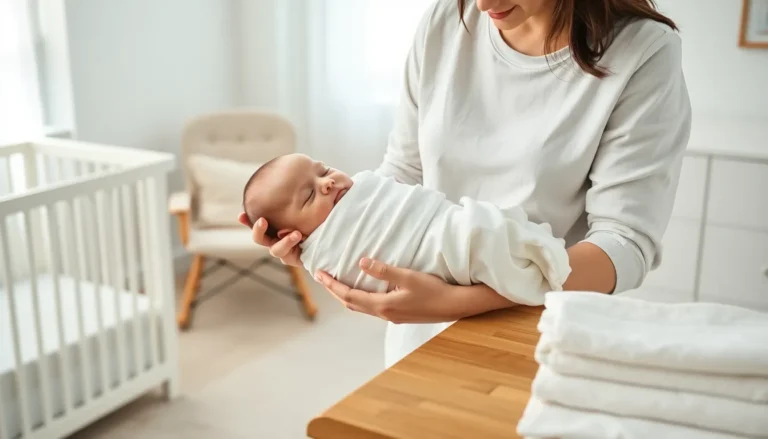
Swaddling is the practice of wrapping a baby snugly in a blanket or cloth. The wrap holds the baby’s arms close to their body and creates gentle pressure around their torso. This technique mimics the tight, secure feeling of the womb.
Babies have a startle reflex called the Moro reflex. This reflex causes sudden arm and leg movements that can wake them from sleep. Swaddling helps reduce these startles by limiting limb movement. As a result, swaddled babies often sleep longer and more peacefully.
How to Swaddle Safely
Proper swaddling technique matters for safety. Parents should:
- Use a thin, breathable blanket or a purpose-made swaddle wrap
- Keep the swaddle loose around the hips to allow leg movement
- Ensure the blanket doesn’t cover the baby’s face
- Place the swaddled baby on their back to sleep
- Stop swaddling once the baby shows signs of rolling over (usually around 2-4 months)
Swaddling works best for newborns and young infants. The American Academy of Pediatrics recommends discontinuing swaddling when babies begin attempting to roll, as a swaddled baby who rolls onto their stomach faces increased suffocation risk.
Benefits of Swaddling
Swaddling offers several advantages for newborns:
- Reduces startle reflex disruptions during sleep
- Helps maintain a comfortable body temperature
- Provides a sense of security similar to the womb
- May decrease crying in colicky babies
- Promotes longer sleep periods
Not every baby enjoys being swaddled. Some infants prefer having their arms free. Parents should watch their baby’s cues and adjust accordingly.
What Is Soothing?
Soothing refers to any action or technique that calms a fussy or crying baby. Unlike swaddling, which is one specific method, soothing includes a wide range of approaches. Parents use soothing techniques to comfort babies who are upset, overstimulated, or having trouble settling down.
Dr. Harvey Karp popularized the “5 S’s” of soothing: swaddling, side or stomach position (for holding, not sleeping), shushing, swinging, and sucking. Notice that swaddling is actually one component of a larger soothing system, not a separate category.
Common Soothing Techniques
Parents have many soothing options beyond swaddling:
- Rocking or swinging: Gentle rhythmic motion calms the nervous system
- White noise or shushing: Sounds that mimic the whooshing heard in the womb
- Skin-to-skin contact: Direct physical touch releases calming hormones
- Feeding or pacifier use: Sucking is naturally soothing for babies
- Singing or humming: A caregiver’s voice provides comfort
- Gentle massage: Touch and pressure can relax tense muscles
- Dim lighting and reduced stimulation: Creating a calm environment
Soothing addresses emotional regulation. When babies feel overwhelmed, hungry, tired, or uncomfortable, soothing techniques help them return to a calm state. The goal is to activate the parasympathetic nervous system, the body’s “rest and digest” mode.
Key Differences Between Swaddling and Soothing
The main difference between swaddling and soothing comes down to scope. Swaddling is one specific technique. Soothing is a category that includes many techniques, swaddling being one of them.
Think of it this way: all swaddling is soothing, but not all soothing is swaddling.
| Aspect | Swaddling | Soothing |
|---|---|---|
| Definition | Wrapping baby snugly in cloth | Any calming technique |
| Scope | Single method | Multiple methods |
| Primary function | Physical containment | Emotional comfort |
| Age range | Birth to 2-4 months | Birth through toddlerhood |
| When used | Primarily for sleep | Anytime baby is upset |
Swaddling works through physical means, the pressure and containment of the wrap. Soothing techniques work through various sensory inputs: sound, motion, touch, or visual calm.
Another key difference involves timing. Swaddling has a limited window of use. Once babies start rolling, swaddling becomes unsafe. Soothing techniques, but, evolve with the child. A toddler can still be soothed with rocking, singing, or a calm voice, they just won’t be swaddled.
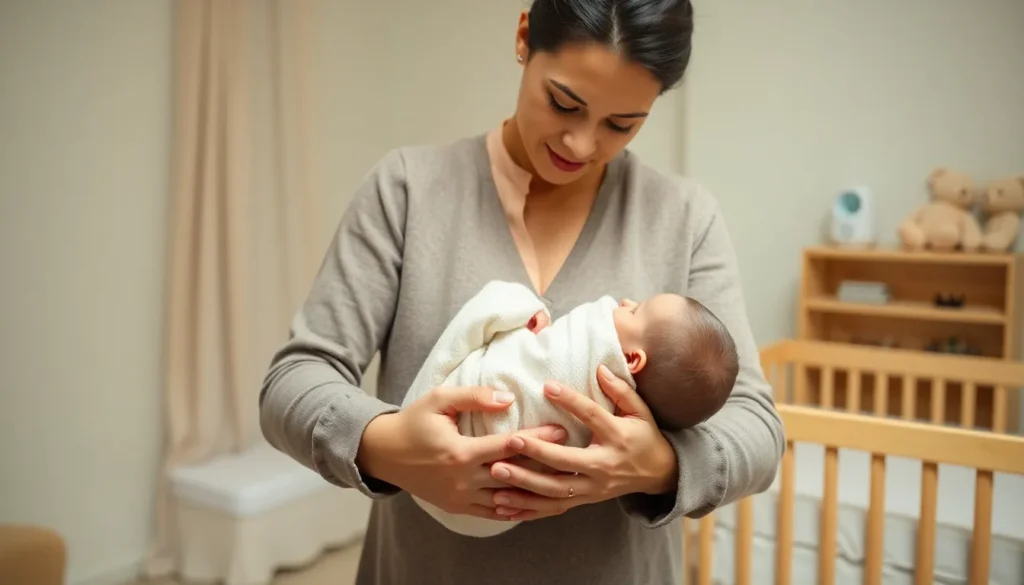
Parents sometimes confuse swaddling vs soothing because they often happen together. A parent might swaddle their baby, then add rocking and shushing. All three actions contribute to calming the baby, but only the wrap itself is swaddling.
When to Use Swaddling vs Soothing Techniques
Knowing when to swaddle vs when to use other soothing methods helps parents respond effectively to different situations.
Best Times for Swaddling
Swaddling works best in these scenarios:
- Naptime and bedtime: The main use for swaddling is sleep. The wrap prevents startle reflexes from waking the baby.
- Newborn fussiness: Very young babies (0-8 weeks) often calm quickly when swaddled because it reminds them of the womb.
- After feeding: A well-fed, swaddled baby often drifts to sleep more easily.
Swaddling is less appropriate during awake time. Babies need free movement to develop motor skills and explore their environment.
Best Times for Other Soothing Techniques
Non-swaddling soothing methods fit these situations better:
- Daytime fussiness: Rocking, singing, or carrying works well when the baby doesn’t need sleep.
- Overstimulation: Reducing environmental noise and light helps calm an overwhelmed baby.
- Physical discomfort: Gas, teething, or illness may require movement, patting, or distraction rather than containment.
- Older babies: Once swaddling ends, other soothing techniques become the primary calming tools.
Some babies reject swaddling entirely. They may cry more when wrapped or constantly fight to get their arms free. For these babies, other soothing techniques will be more effective from the start.
Combining Swaddling and Soothing for Best Results
The most effective approach uses swaddling and soothing together. Rather than choosing between swaddling vs soothing, parents can layer multiple techniques for stronger calming effects.
Dr. Karp’s 5 S’s method demonstrates this principle. A parent might:
- Swaddle the baby snugly
- Hold the baby on their side or stomach (in arms, not for sleep)
- Make loud shushing sounds near the baby’s ear
- Swing or jiggle the baby with small, rapid movements
- Offer a pacifier for sucking
Using all five simultaneously often calms even the fussiest newborns within minutes. The combination addresses multiple sensory needs at once.
Creating a Soothing Routine
Consistency helps babies learn what to expect. A bedtime routine might include:
- A warm bath
- Gentle massage
- Swaddling
- Feeding in a dim room
- White noise
- Rocking until drowsy
Over time, babies associate these steps with sleep. The routine itself becomes soothing because the baby anticipates rest.
Adjusting as Your Baby Grows
Newborns typically respond well to swaddling plus intense soothing (loud shushing, faster rocking). As babies mature, they often need gentler, slower interventions. By 4-6 months, most babies no longer need swaddling and respond to verbal comfort, patting, or simply a parent’s presence.
The key is staying flexible. What works one week may not work the next. Babies change rapidly, and effective parents adjust their swaddling and soothing approaches accordingly.