Table of Contents
ToggleTop swaddling and soothing techniques can transform sleepless nights into peaceful ones. New parents often struggle to calm fussy newborns. The right methods make a real difference.
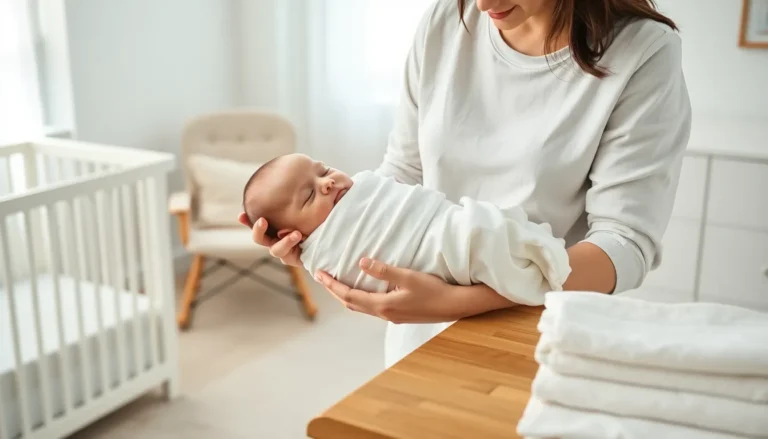
Swaddling has helped babies sleep for centuries. It mimics the snug feeling of the womb. Combined with other soothing strategies, parents can create a calming routine that works.
This guide covers why swaddling works, how to do it safely, and what other techniques help babies settle. Parents will also learn when to stop swaddling as their baby grows.
Key Takeaways
- Top swaddling and soothing techniques help calm fussy newborns by recreating the snug, secure feeling of the womb.
- Safe swaddling requires a snug chest wrap with loose hips to prevent overheating and support healthy hip development.
- Dr. Harvey Karp’s “5 S’s”—swaddling, shushing, swinging, side position, and sucking—work best when combined for maximum calming effect.
- Always use breathable fabrics like cotton or muslin, and keep room temperature between 68-72°F to reduce SIDS risk.
- Stop swaddling at the first signs of rolling over, typically between 2-4 months, and transition gradually using one-arm-out methods or sleep sacks.
- White noise machines, consistent bedtime routines, and sleep sacks provide effective soothing alternatives once swaddling ends.
Why Swaddling Works for Newborns
Swaddling works because it recreates the womb environment. Babies spend nine months in a tight, warm space. The sudden freedom of the outside world can feel overwhelming.
The Moro reflex, also called the startle reflex, often wakes sleeping newborns. Their arms jerk suddenly, and they wake themselves up. A snug swaddle prevents this by keeping arms secure against the body.
Research supports swaddling’s benefits. A 2007 study in Pediatrics found that swaddled infants sleep longer and wake less frequently. They also cry less during procedures like heel pricks.
Swaddling also provides comfort through gentle pressure. This pressure activates the parasympathetic nervous system, which promotes relaxation. Think of it like a constant, gentle hug.
Not every baby loves swaddling right away. Some protest during the wrapping process but calm down once snug. Others prefer having their arms free from the start. Parents should pay attention to their baby’s cues and adjust accordingly.
Top swaddling and soothing practices work best when parents understand why they help. This knowledge builds confidence and helps caregivers troubleshoot when something isn’t working.
Safe Swaddling Methods Every Parent Should Know
Safe swaddling requires proper technique. Done incorrectly, it can increase risks for hip problems and overheating.
The Diamond Swaddle Technique
This classic method uses a square blanket:
- Lay the blanket flat like a diamond shape
- Fold the top corner down about 6 inches
- Place the baby face-up with shoulders at the fold
- Pull the left corner across the body and tuck it under
- Fold the bottom corner up over the feet
- Wrap the right corner across and tuck to secure
The swaddle should be snug around the chest but loose at the hips. Parents should fit two to three fingers between the blanket and the baby’s chest.
Hip-Healthy Swaddling
The International Hip Dysplasia Institute warns against swaddling legs straight and tight together. Babies need room to bend their legs up and out at the hips. This position supports healthy hip development.
Swaddle blankets should allow free movement below the waist. The “swaddle up” position, where legs can flex naturally, protects hip joints.
Choosing the Right Materials
Breathable fabrics prevent overheating. Cotton and muslin work well. Avoid fleece or heavy materials, especially in warm weather.
Pre-made swaddle wraps with Velcro or zippers simplify the process. They also reduce the risk of loose fabric near the baby’s face. Many parents find these easier than traditional blankets.
Temperature Considerations
Overheating increases SIDS risk. A swaddled baby typically needs one less layer than an unswaddled baby. The room should stay between 68-72°F (20-22°C).
Parents can check for overheating by feeling the baby’s neck or chest. Sweating, flushed cheeks, or rapid breathing signal that the baby is too warm.
Effective Soothing Techniques Beyond Swaddling
Top swaddling and soothing strategies often combine multiple methods. Dr. Harvey Karp’s “5 S’s” provide a helpful framework.
Shushing
Loud shushing sounds mimic blood flow in the womb. This white noise was constant background music for nine months. A “shhhh” sound near the baby’s ear, louder than the crying, often triggers calm.
White noise machines, fans, or apps can maintain this sound. Keep the volume below 50 decibels and place devices at least 7 feet from the crib.
Swinging
Gentle rhythmic motion recalls the movements babies felt in utero. Small, quick movements work better than slow rocks. Support the head and neck while moving.
Baby swings, bouncy seats, and car rides use this principle. Some parents find that walking with a slight bounce calms their newborn quickly.
Side or Stomach Position
Holding babies on their side or stomach activates a calming response. This position should only be used while awake and supervised. Babies must always sleep on their backs.
The football hold, baby face-down along the forearm, works well for many fussy infants. Gentle pressure on the belly can ease gas discomfort.
Sucking
Sucking triggers relaxation in newborns. Pacifiers, clean fingers, or breastfeeding all provide this comfort. Some babies suck to soothe even when not hungry.
Combining Techniques
These methods work best together. A swaddled baby, held on the side, with gentle bouncing and shushing, often calms within minutes. Parents can experiment to find which combination their baby prefers.
When to Transition Away From Swaddling
Swaddling must stop when babies show signs of rolling over. This typically happens between 2-4 months old. A swaddled baby who rolls face-down cannot push up or reposition.
The American Academy of Pediatrics recommends stopping swaddling at the first signs of rolling. Some babies roll as early as 2 months. Others don’t roll until 4 months or later.
Signs It’s Time to Stop
- Baby breaks out of the swaddle consistently
- Rolling from back to side during sleep
- Increased frustration with arm confinement
- Baby can flip from back to tummy when awake
Transition Strategies
Cold turkey works for some families. Others need a gradual approach.
One arm out is a popular transition method. Parents leave one arm free for a few nights, then free both arms. This helps babies adjust to the new feeling.
Transition sleep sacks offer a middle ground. These products provide some containment without restricting arm movement. They help babies who startle awake without a full swaddle.
Sleep may get worse temporarily during the transition. Most babies adjust within one to two weeks. Consistent bedtime routines help ease this change.
Alternative Comfort Methods
Once swaddling ends, other top swaddling and soothing alternatives take over. Sleep sacks keep babies warm without loose blankets. White noise and consistent routines continue to promote good sleep.