Table of Contents
ToggleSwaddling and soothing tips can turn a fussy newborn into a peaceful sleeper. New parents often struggle with calming their babies, especially during those first few months. The good news? Simple techniques like swaddling and soothing can make a real difference.
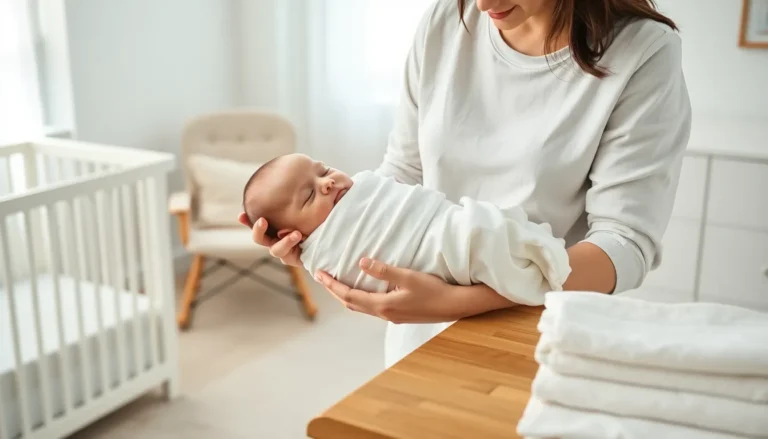
Swaddling mimics the snug feeling of the womb. It helps babies feel secure and reduces the startle reflex that wakes them up. Combined with other soothing methods, parents can create a calming routine that works.
This guide covers everything from proper swaddling techniques to alternative soothing strategies. Parents will learn why swaddling works, how to do it safely, and when it’s time to stop.
Key Takeaways
- Swaddling recreates the cozy womb environment, helping newborns sleep longer and cry up to 28% less.
- Always swaddle loosely around the hips and place babies on their backs to sleep safely.
- Combine swaddling and soothing techniques like the 5 S’s method (swaddling, side position, shushing, swinging, sucking) for maximum calming effect.
- Stop swaddling immediately when your baby shows signs of rolling over, typically between 2-4 months old.
- Transition gradually using methods like the one-arm-out approach or switching to sleep sacks for easier adjustment.
Why Swaddling Works for Newborns
Swaddling has been used for centuries, and there’s solid science behind it. Newborns spend nine months in a tight, warm space. The outside world feels open and overwhelming to them. Swaddling recreates that cozy womb environment.
The Moro reflex (or startle reflex) causes babies to throw their arms out suddenly, often waking themselves up. Swaddling keeps arms secure and prevents this reflex from disrupting sleep. Studies show that swaddled babies sleep longer and wake less frequently than unswaddled babies.
Swaddling also provides constant, gentle pressure on a baby’s body. This pressure activates the parasympathetic nervous system, which helps babies relax. Think of it like a continuous hug.
Beyond sleep benefits, swaddling and soothing techniques help regulate a baby’s temperature and reduce crying. Research published in Pediatrics found that swaddled infants cried 28% less than those who weren’t swaddled.
Some key benefits of swaddling include:
- Longer sleep stretches for both baby and parents
- Reduced startle reflex interruptions
- Lower stress and anxiety levels in newborns
- Easier transition from womb to world
- Decreased crying episodes
Swaddling works best for babies under two months old. As they grow, babies need more freedom to move and develop motor skills.
How to Swaddle Your Baby Safely
Safe swaddling requires the right technique. Done incorrectly, swaddling can pose risks to a baby’s hips and breathing. Here’s how to swaddle properly.
Step-by-Step Swaddling Guide:
- Lay a thin blanket flat in a diamond shape
- Fold the top corner down about 6 inches
- Place the baby face-up with their neck at the fold
- Straighten the baby’s left arm and wrap the left side of the blanket over their body, tucking it under the right side
- Fold the bottom corner up over the baby’s feet
- Straighten the right arm and wrap the right side of the blanket over, tucking it under the left side
Safety Rules for Swaddling:
The American Academy of Pediatrics recommends keeping swaddling loose around the hips. Tight swaddling can cause hip dysplasia. Parents should be able to fit two to three fingers between the blanket and the baby’s chest.
Always place swaddled babies on their backs to sleep. Never put a swaddled baby face-down. This increases the risk of suffocation and SIDS.
Stop swaddling immediately if a baby shows signs of rolling over. A swaddled baby who rolls to their stomach cannot push themselves up, creating a dangerous situation.
Choose breathable fabrics like cotton or muslin for swaddling. Overheating increases SIDS risk. The baby’s room should stay between 68-72°F (20-22°C).
Swaddling and soothing work together, but safety always comes first. When in doubt, parents should consult their pediatrician about proper swaddling techniques.
Effective Soothing Techniques Beyond Swaddling
Swaddling alone won’t calm every baby. Parents need multiple soothing strategies in their toolkit. Dr. Harvey Karp’s “5 S’s” method offers a proven framework.
The 5 S’s Method
Swaddling is the first S, creating that womb-like feeling. The other four S’s work alongside swaddling:
Side or Stomach Position – Hold the baby on their side or stomach while awake. This position calms the nervous system. Important: Always place babies on their backs for sleep.
Shushing – Make a loud “shhhh” sound near the baby’s ear. This mimics the constant whooshing sound babies heard in the womb. White noise machines can also help.
Swinging – Gentle, rhythmic motion soothes babies. Try rocking, swaying, or using a baby swing. Keep movements small and support the head.
Sucking – Offer a pacifier or let the baby suck on a clean finger. Sucking triggers the calming reflex and helps babies self-soothe.
Additional Soothing Tips
Skin-to-skin contact releases oxytocin in both parent and baby. This hormone promotes bonding and relaxation. Try holding the baby against bare skin for 20-30 minutes.
Warm baths can calm fussy babies before bedtime. Keep water temperature around 100°F (38°C) and never leave a baby unattended.
Gentle massage helps too. Use light pressure and slow strokes on the baby’s back, legs, and arms. Baby massage can reduce colic symptoms and improve sleep.
Swaddling and soothing techniques work best when combined. Parents should experiment to find what their baby responds to most.
When to Stop Swaddling
Swaddling has an expiration date. Most babies outgrow swaddling between 2-4 months old. Knowing when to stop is crucial for safety.
Signs It’s Time to Stop:
- The baby attempts to roll over
- The baby consistently breaks out of the swaddle
- The baby fights against being wrapped
- The baby shows decreased Moro reflex
Rolling is the most important signal. Once a baby can roll, or shows signs of rolling, swaddling must stop immediately. A swaddled baby who rolls face-down cannot use their arms to reposition themselves.
The transition away from swaddling doesn’t have to happen overnight. Parents can try these gradual approaches:
One Arm Out Method – Start by leaving one arm unswaddled for a few nights. Then free both arms while keeping the chest wrapped. Finally, remove the swaddle completely.
Sleep Sacks – Wearable blankets provide warmth and some security without restricting arm movement. They’re a safe alternative for babies who still want that cozy feeling.
Gradual Loosening – Make the swaddle slightly looser each night until the baby adjusts to sleeping without it.
Some babies transition easily. Others take a week or more to adjust. Expect some disrupted sleep during this period.
Swaddling and soothing techniques evolve as babies grow. What works at one month may not work at three months. Parents should stay flexible and follow their baby’s cues.