Table of Contents
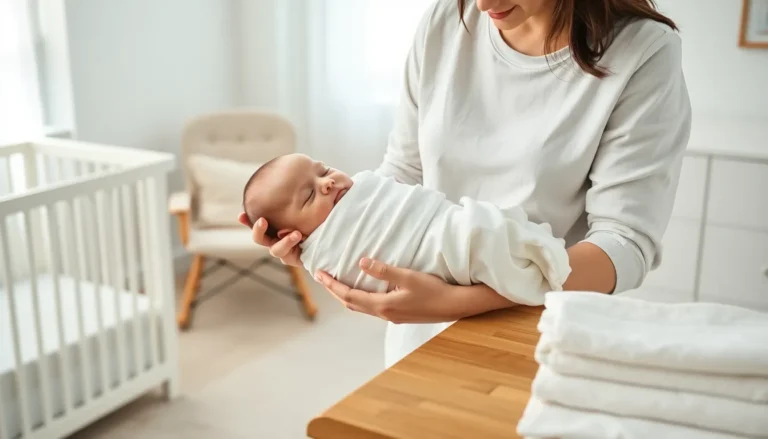
ToggleThe best swaddling and soothing techniques can transform a fussy newborn into a calm, sleeping baby. New parents often feel overwhelmed when their infant cries inconsolably. Swaddling offers a simple, time-tested solution that mimics the snug environment of the womb. This guide covers proven swaddling methods, effective soothing strategies, and essential safety tips. Parents will learn how to wrap their baby correctly, choose the right swaddle products, and combine multiple calming techniques for better sleep outcomes.
Key Takeaways
- The best swaddling techniques recreate the womb’s secure feeling, helping newborns sleep longer and wake less frequently.
- Use the diamond swaddle method by keeping arms snug while leaving hips loose to prevent hip dysplasia.
- Combine swaddling with soothing strategies like the “5 S’s” method—swaddling, side position, shushing, swinging, and sucking—for maximum calming effect.
- Choose breathable swaddle products made from cotton or muslin to prevent overheating and improve sleep quality.
- Always place swaddled babies on their backs and stop swaddling once they show signs of rolling, typically between 2-4 months.
- White noise, gentle rocking, and skin-to-skin contact can enhance soothing and help establish healthy sleep routines.
Why Swaddling Works For Newborns
Swaddling works because it recreates the secure feeling babies experienced in the womb. For nine months, infants lived in a tight, warm space. The sudden freedom of the outside world can feel jarring to them.
Newborns have a startle reflex called the Moro reflex. This reflex causes babies to throw their arms outward suddenly, which often wakes them up. Swaddling keeps their arms contained and prevents this reflex from disrupting sleep.
Research supports the benefits of swaddling for newborn comfort. A study published in Pediatrics found that swaddled infants sleep longer and wake less frequently. The gentle pressure of a swaddle also helps regulate a baby’s nervous system.
Swaddling and soothing go hand in hand. When babies feel secure, their stress hormones decrease. Lower cortisol levels mean calmer babies and more rest for exhausted parents.
The best swaddling technique depends on each baby’s preferences. Some infants prefer tight swaddles, while others like their arms free. Parents should watch their baby’s cues and adjust accordingly.
Step-By-Step Swaddling Techniques
The Diamond Swaddle Method
The diamond swaddle is the classic technique most hospitals teach new parents. It uses a square blanket positioned like a diamond.
Step 1: Lay a thin blanket flat and fold the top corner down about 6 inches.
Step 2: Place the baby face-up with their shoulders just below the fold.
Step 3: Take the left corner and wrap it snugly across the baby’s body. Tuck it under their right side.
Step 4: Fold the bottom corner up over the baby’s feet, tucking it into the top of the swaddle.
Step 5: Wrap the right corner across the baby and tuck it under their left side.
The swaddle should be snug around the arms but loose around the hips. Tight hip swaddling can cause hip dysplasia. Parents should be able to fit two or three fingers between the blanket and the baby’s chest.
Using Swaddle Wraps And Sleep Sacks
Swaddle wraps and sleep sacks offer easier alternatives to blanket swaddling. These products use velcro, snaps, or zippers to secure the swaddle.
Swaddle wraps work well for parents who struggle with blanket folding. The structured design ensures consistent snugness every time. Popular options include wrap-style swaddles with wings that secure around the baby’s torso.
Sleep sacks provide a transitional option for older babies. These wearable blankets keep babies warm without the risk of loose fabric. Some sleep sacks have removable swaddle attachments for gradual weaning.
The best swaddling products are made from breathable fabrics like cotton or muslin. Parents should avoid thick materials that can cause overheating. A comfortable baby sleeps better and longer.
Effective Soothing Methods Beyond Swaddling
Swaddling alone may not calm every fussy baby. Parents often need to combine multiple soothing techniques for the best results.
The “5 S’s” method, developed by pediatrician Dr. Harvey Karp, offers a complete soothing system:
- Swaddling provides the secure foundation
- Side or stomach position (while held, not for sleep) calms crying
- Shushing sounds mimic the whooshing noise of the womb
- Swinging gentle rhythmic motion soothes the nervous system
- Sucking on a pacifier or finger satisfies the sucking reflex
White noise machines can extend soothing beyond parental effort. The consistent sound helps babies transition between sleep cycles. Many parents find white noise essential for establishing good sleep habits.
Gentle rocking or bouncing activates a baby’s calming reflex. Parents can use a rocking chair, baby swing, or simply bounce while holding their infant. The motion should be small and rhythmic, not vigorous.
Skin-to-skin contact provides powerful soothing benefits. Placing a baby directly on a parent’s bare chest regulates the infant’s heart rate and temperature. This contact also strengthens the parent-child bond.
Warm baths before bedtime can help establish a soothing routine. The warm water relaxes tense muscles and signals that sleep time approaches. A consistent bedtime routine helps babies learn when to expect sleep.
Safety Tips For Swaddling And Soothing
Safe swaddling and soothing practices protect babies from serious risks. Parents must follow current guidelines to prevent accidents.
Always place swaddled babies on their backs to sleep. Back sleeping reduces the risk of sudden infant death syndrome (SIDS). A swaddled baby cannot roll safely, so back position is critical.
Stop swaddling when babies show signs of rolling. Most babies begin rolling between 2 and 4 months old. Once this happens, swaddling becomes dangerous because the baby cannot use their arms to reposition.
Avoid overheating during swaddling. Overheating increases SIDS risk. Parents should use lightweight blankets and keep the room temperature between 68-72°F. Signs of overheating include sweating, flushed cheeks, and rapid breathing.
Keep the swaddle loose around the hips. The International Hip Dysplasia Institute recommends allowing room for the baby’s legs to bend and move freely. Tight leg swaddling can damage developing hip joints.
Never swaddle a baby for sleep in a car seat or swing. These devices position babies at angles that can restrict breathing. Swaddled sleep should only occur on flat, firm surfaces.
Check the swaddle throughout the night. Loose blankets can become suffocation hazards. Parents should ensure the swaddle stays secure and doesn’t cover the baby’s face.