Table of Contents
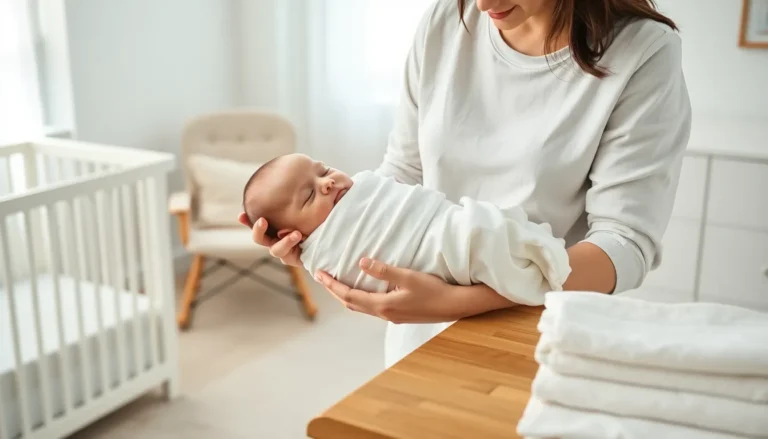
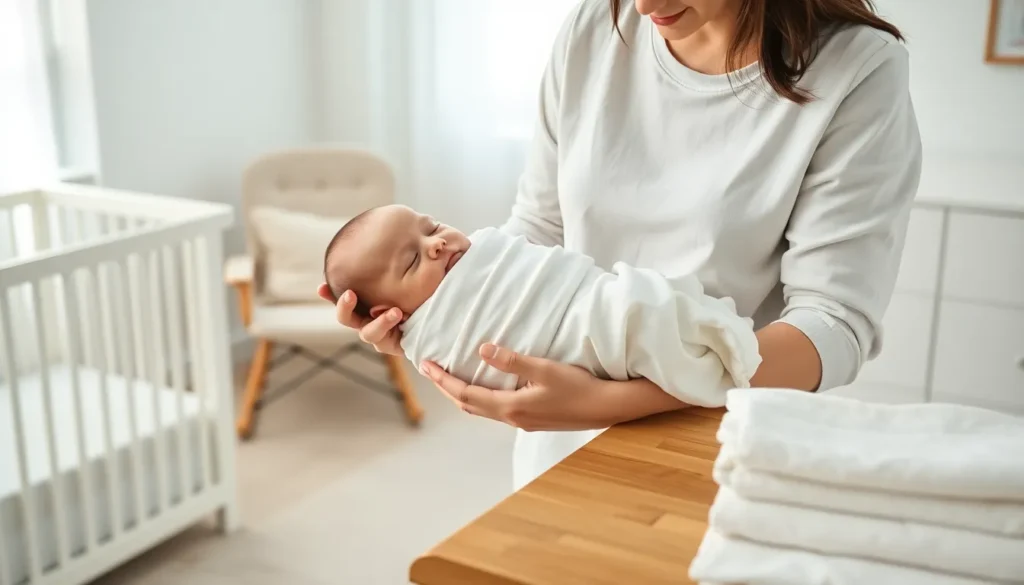
ToggleLearning how to swaddle and soothe a newborn ranks among the most useful skills new parents can develop. A well-swaddled baby often sleeps longer, cries less, and feels more secure during those chaotic first months. This guide covers the proper swaddling technique, essential safety guidelines, and proven soothing methods that actually work. Whether dealing with a fussy infant at 3 a.m. or simply wanting to help a baby settle, these strategies provide practical solutions backed by pediatric research.
Key Takeaways
- Swaddling mimics the womb’s snug environment and reduces the startle reflex, helping newborns sleep longer and cry less.
- A safe swaddle should be snug around the chest and arms but loose around the hips to prevent hip dysplasia.
- Always place swaddled babies on their backs to sleep and use lightweight, breathable fabric to prevent overheating.
- Combine swaddling with other soothing techniques like white noise, gentle motion, and skin-to-skin contact for best results.
- Stop swaddling when your baby shows signs of rolling over, typically between 2 and 4 months of age.
- Transition out of swaddling gradually by freeing one arm first, then both, before switching to a sleep sack.
Why Swaddling Works for Newborns
Swaddling mimics the snug environment of the womb. For nine months, babies experienced constant pressure and containment. The outside world feels startlingly open by comparison. A proper swaddle recreates that cozy sensation and helps newborns adjust to their new surroundings.
The technique works particularly well because it reduces the startle reflex (also called the Moro reflex). This involuntary response causes babies to throw their arms outward suddenly, often waking themselves up. Swaddling keeps those little arms contained, which means fewer sleep interruptions for everyone.
Research supports swaddling as an effective soothing method. A study published in Pediatrics found that swaddled infants experienced less distress during heel-stick procedures and recovered more quickly afterward. The American Academy of Pediatrics acknowledges swaddling as a helpful technique when done correctly.
Beyond sleep benefits, swaddling helps regulate a newborn’s body temperature and provides comfort during crying episodes. Many parents report that their babies calm down within minutes of being properly swaddled. It’s not magic, it’s biology working in a baby’s favor.
Step-by-Step Swaddling Technique
Mastering the swaddle takes practice, but the basic method is straightforward. Here’s how to swaddle a baby properly:
Step 1: Prepare the blanket
Lay a thin, square blanket on a flat surface in a diamond shape. Fold the top corner down about 6 inches to create a straight edge.
Step 2: Position the baby
Place the baby face-up with shoulders just below the folded edge. The baby’s head should rest above the fold.
Step 3: Secure the first side
Take the left corner of the blanket and bring it across the baby’s body. Tuck it snugly under the right side, keeping the baby’s right arm down alongside the body.
Step 4: Fold the bottom
Bring the bottom corner up and over the baby’s feet, tucking it into the top of the swaddle near the shoulder.
Step 5: Complete the wrap
Take the remaining right corner and wrap it across the baby’s body. Tuck the end securely to hold everything in place.
The finished swaddle should be snug around the chest and arms but loose around the hips. Parents should be able to fit two or three fingers between the blanket and the baby’s chest. This ensures proper circulation while still providing that comforting pressure.
Some babies prefer having one or both arms free. Pay attention to what works best, every infant has preferences.
Safe Swaddling Practices
Safe swaddling requires attention to several important details. The wrong approach can increase risks for babies, so these guidelines matter.
Always place swaddled babies on their backs to sleep. This is non-negotiable. Back sleeping reduces SIDS risk significantly, and swaddled babies should never be placed on their stomachs or sides.
Keep the swaddle loose around the hips. Tight swaddling of the legs and hips can contribute to hip dysplasia. The baby’s legs should be able to bend up and out at the hips naturally. Think of a frog position, that’s what healthy hip positioning looks like.
Use lightweight, breathable fabric. Overheating poses real dangers for infants. Cotton muslin blankets work well because they allow airflow. Skip heavy fleece or thick materials.
Check the room temperature. A swaddled baby may not need additional blankets or layers. The ideal room temperature for infant sleep falls between 68-72°F (20-22°C).
Monitor for signs of overheating. Sweating, damp hair, flushed cheeks, heat rash, and rapid breathing all indicate a baby is too warm. Remove layers immediately if these signs appear.
Never swaddle a baby in a crib with loose bedding, pillows, or stuffed animals. The sleep space should contain only the fitted sheet and the swaddled baby.
Effective Soothing Methods Beyond Swaddling
Swaddling works great, but it’s just one tool in the soothing toolkit. Combining multiple techniques often produces the best results.
The 5 S’s Method
Pediatrician Dr. Harvey Karp popularized the “5 S’s” approach: Swaddling, Side/Stomach position (for holding, not sleeping), Shushing, Swinging, and Sucking. Used together, these methods can calm even very fussy babies.
White Noise
Steady, low-frequency sounds mimic what babies heard in the womb. A white noise machine, fan, or even a vacuum cleaner can help settle a crying infant. Keep the volume moderate, about 50-60 decibels, and position the sound source away from the baby’s ears.
Gentle Motion
Rocking, bouncing, or swaying activates the calming reflex in newborns. A baby swing, bouncer seat, or simple rocking chair gives parents options when arms get tired.
Skin-to-Skin Contact
Holding a baby against bare skin provides warmth, comfort, and bonding. This technique, sometimes called kangaroo care, helps regulate the baby’s heart rate and breathing too.
Pacifier Use
Sucking provides natural comfort for babies. If breastfeeding is established (usually by 3-4 weeks), offering a pacifier can help soothe a fussy infant.
The key is experimenting to find what works for each individual baby. Some respond to motion, others to sound, and some need the full combination.
When to Stop Swaddling
Swaddling has an expiration date. Most babies need to transition out of the swaddle between 2 and 4 months of age.
The clearest sign that swaddling should stop? When a baby starts showing signs of rolling over. Once a baby can roll from back to front, swaddling becomes dangerous. A swaddled infant who rolls onto their stomach cannot use their arms to push up or reposition, which increases suffocation risk.
Other signs it’s time to stop swaddling include:
- The baby consistently breaks free from the swaddle
- The baby seems frustrated or fights against the wrap
- The baby has outgrown the swaddle blanket
- Sleep quality decreases rather than improves with swaddling
The transition doesn’t have to happen overnight. Many parents start by leaving one arm out of the swaddle for a few nights, then both arms, before removing the swaddle entirely. Sleep sacks or wearable blankets offer a good middle ground, they provide warmth and some sense of security without restricting arm movement.
Expect some sleep disruption during the transition. It typically takes a week or two for babies to adjust to sleeping without the swaddle.