Table of Contents
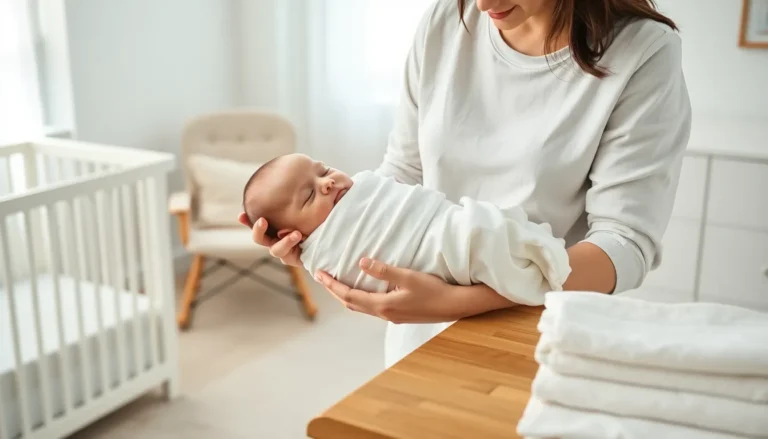
ToggleSwaddling & soothing for beginners can feel overwhelming, but these simple techniques have calmed fussy babies for centuries. New parents often struggle with sleepless nights and inconsolable crying. The good news? A proper swaddle and a few proven soothing methods can transform those difficult moments into peaceful ones.
This guide breaks down everything parents need to know about swaddling and soothing their newborn. From the science behind why swaddling works to step-by-step instructions for safe techniques, this article covers the essentials. Parents will also learn when it’s time to transition away from swaddling and which soothing strategies work best for different situations.
Key Takeaways
- Swaddling mimics the womb’s snug environment and helps reduce the startle reflex, allowing newborns to sleep longer and more soundly.
- Safe swaddling requires a snug wrap around the arms and chest but loose hips—always place swaddled babies on their backs to reduce SIDS risk.
- Dr. Harvey Karp’s 5 S’s method (Swaddling, Side position, Shushing, Swinging, and Sucking) triggers a baby’s natural calming reflex.
- Swaddling & soothing for beginners becomes easier with practice—most parents develop a smooth technique within a week.
- Stop swaddling once your baby shows signs of rolling over, typically between 2 and 4 months of age, to prevent suffocation risks.
- Transition gradually by freeing one arm at a time or using sleep sacks while maintaining consistent bedtime routines.
Why Swaddling Works for Newborns
Swaddling mimics the snug environment of the womb. For nine months, babies lived in a tight, warm space with constant pressure around their bodies. The outside world feels startlingly open by comparison.
The Moro reflex, also called the startle reflex, frequently wakes sleeping newborns. Their arms jerk outward suddenly, and they wake themselves up. A good swaddle keeps those little arms contained, which helps babies sleep longer and more soundly.
Research supports what parents have observed for generations. A 2002 study in Pediatrics found that swaddled infants slept longer and woke less frequently than unswaddled babies. The gentle pressure also helps regulate a newborn’s nervous system, reducing crying and promoting calmness.
Swaddling & soothing for beginners starts with understanding this basic principle: babies crave containment. They’ve never experienced open space before birth. A snug wrap provides comfort and security during those first challenging months.
Beyond sleep benefits, swaddling helps with:
- Temperature regulation – Newborns can’t regulate body heat efficiently: a light swaddle helps maintain warmth
- Reduced anxiety – The pressure activates calming reflexes
- Easier feeding – Some babies nurse better when their hands aren’t flailing
- Colic relief – Many colicky babies respond well to being swaddled during fussy periods
How to Swaddle Your Baby Safely
Safe swaddling requires proper technique. Done incorrectly, swaddling can increase risks for hip dysplasia or overheating. Done right, it’s a powerful soothing tool.
The Diamond Swaddle Method
- Lay a thin blanket in a diamond shape on a flat surface
- Fold the top corner down about 6 inches
- Place the baby face-up with shoulders at the fold line
- Pull the left corner across the baby’s body and tuck it under their right side
- Fold the bottom corner up over the feet
- Pull the right corner across and tuck it under the left side
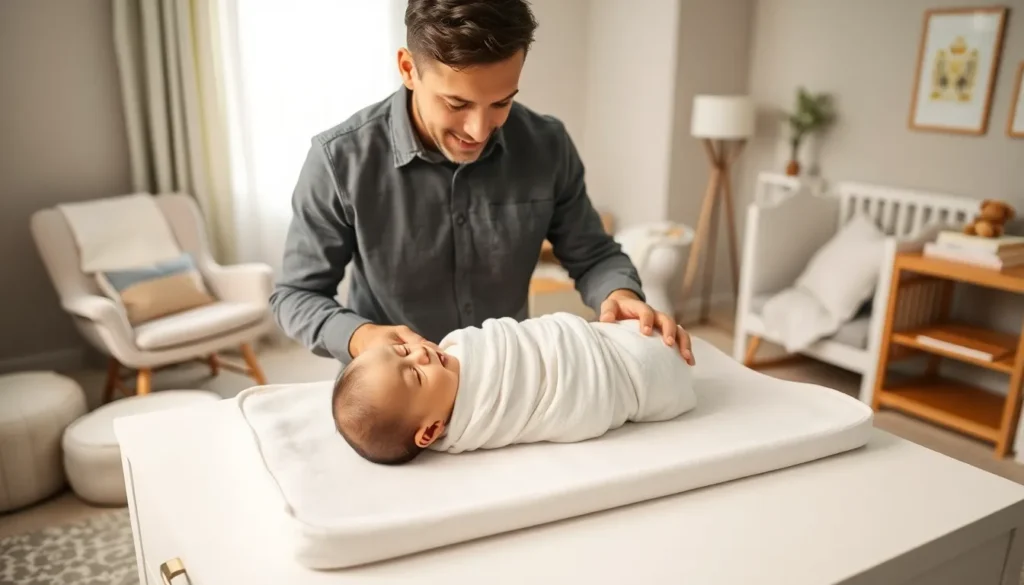
The swaddle should be snug around the arms and chest but loose around the hips. Parents should be able to fit two or three fingers between the blanket and the baby’s chest.
Critical Safety Guidelines
Always place swaddled babies on their backs. The American Academy of Pediatrics emphasizes this point, back sleeping reduces SIDS risk significantly.
Keep the hips loose. Tight swaddling around the legs and hips can cause hip dysplasia. The baby’s legs should be able to bend up and out at the hips.
Watch for overheating. Signs include sweating, damp hair, flushed cheeks, or rapid breathing. Use lightweight, breathable fabrics and skip the swaddle if the room is warm.
Never swaddle a baby who can roll over. Once rolling begins, swaddling becomes dangerous because babies need their arms free to reposition themselves.
Swaddling & soothing for beginners gets easier with practice. The first few attempts might look messy, that’s completely normal. Most parents develop a smooth technique within a week.
Essential Soothing Techniques Every Parent Should Know
Swaddling works beautifully, but it’s just one tool in the soothing toolkit. Dr. Harvey Karp’s “5 S’s” method combines several techniques that trigger a baby’s calming reflex.
The 5 S’s of Soothing
Swaddling – Already covered above, this creates the foundation for other techniques.
Side or Stomach Position – Hold the baby on their side or stomach while soothing them. (Always place them on their back once asleep.) This position calms the startle reflex and often stops crying quickly.
Shushing – Make a loud “shhhh” sound near the baby’s ear. The sound mimics blood flow heard in the womb. White noise machines or apps work too.
Swinging – Gentle, rhythmic movement calms most babies. Small, jiggly movements work better than slow rocking. Support the head and neck at all times.
Sucking – Offer a pacifier, clean finger, or the breast. Sucking triggers relaxation in newborns.
Additional Soothing Strategies
Skin-to-skin contact remains one of the most effective calming methods. Place the baby directly on a parent’s bare chest. This regulates breathing, heart rate, and temperature while releasing calming hormones in both parent and child.
A warm bath can reset a fussy baby’s mood. The warm water and gentle movement often stop crying within minutes.
Swaddling & soothing for beginners becomes intuitive over time. Parents learn their baby’s preferences, some respond to white noise, others prefer motion, and some need a combination of techniques.
When to Stop Swaddling Your Baby
The transition away from swaddling typically happens between 2 and 4 months of age. The key signal? Rolling over.
Once a baby shows signs of rolling, even just attempting it, swaddling must stop. A swaddled baby who rolls onto their stomach cannot push up or reposition themselves, which creates a suffocation risk.
Other signs it’s time to stop swaddling:
- The baby consistently breaks free from the swaddle
- They seem frustrated by arm containment
- Sleep isn’t improving with swaddling
- They’re over 8 weeks old and fighting the swaddle
How to Transition
Cold turkey works for some babies, but most do better with a gradual approach. Try these methods:
One arm out – Leave one arm free for several nights, then free both arms. This helps babies adjust slowly.
Transition products – Sleep sacks with wings or weighted options help babies feel secure without full swaddling.
Maintain other routines – Keep bedtime routines consistent. If white noise or a pacifier helped alongside swaddling, continue using them.
Swaddling & soothing for beginners eventually evolves into new sleep strategies. The same principles apply, babies need security, comfort, and consistent routines. The methods just shift as they grow.