Table of Contents
ToggleSwaddling and soothing ideas can transform those early weeks with a newborn from exhausting to manageable. New parents often struggle when their baby cries for hours with no clear cause. The good news? A few simple techniques can help calm even the fussiest infant.
Swaddling mimics the snug feeling of the womb, which helps newborns relax and sleep longer. But it’s just one tool in a parent’s toolkit. This guide covers safe swaddling methods, proven soothing strategies, and signs that it’s time to move on from the swaddle altogether.
Key Takeaways
- Swaddling recreates the womb-like environment that helps newborns sleep longer and cry less by reducing the startle reflex.
- Safe swaddling requires a snug wrap around the arms and chest but must stay loose around the hips to prevent hip dysplasia.
- Combine swaddling with the “5 S’s” method—side position, shushing, swinging, and sucking—for more effective soothing.
- Stop swaddling when your baby shows signs of rolling over, typically between 2-4 months old.
- Transition gradually by freeing one arm at a time and using sleep sacks to help your baby adjust without the swaddle.
- Additional soothing ideas like skin-to-skin contact, warm baths, and babywearing can calm fussy newborns when swaddling alone isn’t enough.
Why Swaddling Helps Newborns Feel Secure
Newborns spend nine months curled up in a tight, warm space. Then they enter a world where their arms and legs can move freely, which, surprisingly, doesn’t feel good to them. This sudden freedom triggers the startle reflex (also called the Moro reflex), which can wake babies from sleep or make them cry.
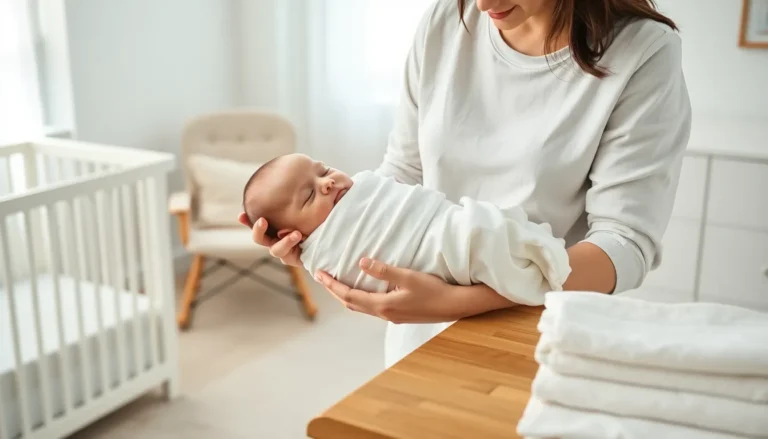
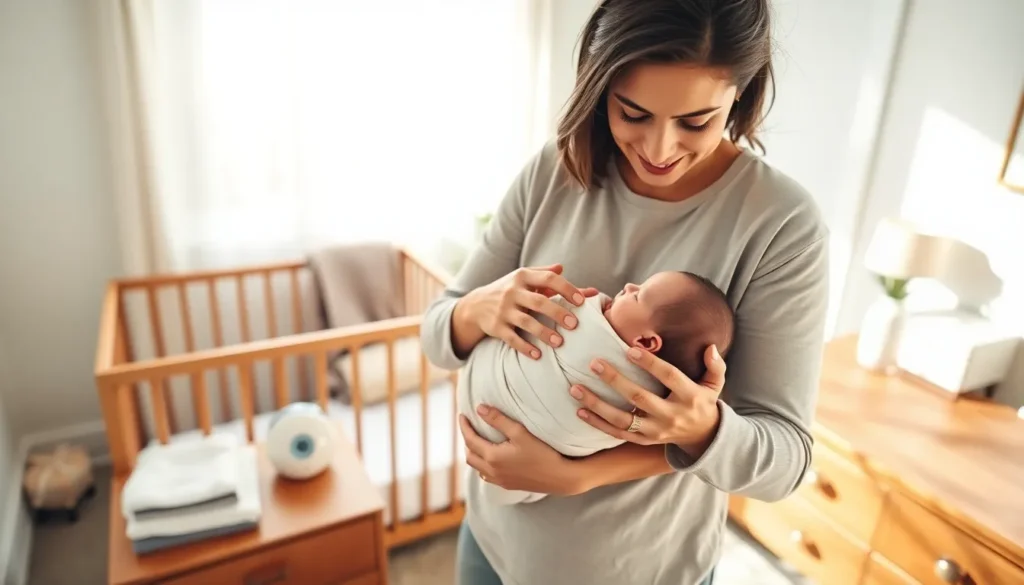
Swaddling addresses this problem directly. By wrapping a baby snugly in a blanket, parents recreate the womb-like environment that newborns find comforting. The gentle pressure on their body activates their calming reflex and reduces startle responses.
Research supports swaddling as an effective soothing method. A study published in Pediatrics found that swaddled infants slept longer and woke less frequently than unswaddled babies. Parents in the study also reported lower stress levels.
Swaddling offers several specific benefits:
- Better sleep: Babies stay asleep longer because the startle reflex doesn’t jolt them awake.
- Reduced crying: The snug wrap helps activate the parasympathetic nervous system, which promotes calm.
- Easier feeding: A calm, well-rested baby often feeds more effectively.
- Temperature regulation: Proper swaddling helps maintain a stable body temperature during sleep.
Swaddling works best for babies under two months old. During this period, infants have strong reflexes and limited motor control. The technique gives them the contained feeling they crave while they adjust to life outside the womb.
How to Swaddle Your Baby Safely
Safe swaddling requires the right technique and materials. Done incorrectly, swaddling can increase the risk of hip problems or overheating. Here’s how to do it right.
Choose the Right Blanket
Use a thin, breathable fabric like muslin or cotton. The blanket should be large enough to wrap around the baby completely, about 44 inches square works well for most newborns. Avoid thick fleece or heavy materials that can cause overheating.
Step-by-Step Swaddling Method
- Lay the blanket flat in a diamond shape. Fold the top corner down about 6 inches.
- Place the baby face-up with their neck at the fold.
- Hold the baby’s right arm against their body. Pull the left corner of the blanket across and tuck it under their back.
- Fold the bottom corner up over the baby’s feet, leaving room for leg movement.
- Hold the baby’s left arm down. Pull the right corner across and tuck it under.
The finished swaddle should be snug around the arms and chest but loose around the hips. Parents should be able to fit two to three fingers between the blanket and the baby’s chest.
Safety Guidelines for Swaddling
- Always place swaddled babies on their backs to sleep. Never put a swaddled infant face-down.
- Don’t swaddle too tightly around the hips. Babies need room to bend their legs up and out. Tight swaddling can lead to hip dysplasia.
- Watch for overheating. Signs include sweating, damp hair, flushed cheeks, or rapid breathing. Dress the baby in only a diaper or light onesie under the swaddle.
- Stop swaddling when the baby shows signs of rolling over. This typically happens around 2-4 months.
Swaddling products like zip-up swaddle sacks can simplify the process. These eliminate the need for blanket-folding and reduce the risk of loose fabric near the baby’s face.
Effective Soothing Techniques Beyond Swaddling
Swaddling works well, but it’s not always enough. Combining it with other soothing methods creates a more powerful calming effect. Pediatrician Dr. Harvey Karp popularized the “5 S’s” approach, which gives parents a reliable framework for soothing fussy babies.
The 5 S’s Method
Swaddling forms the foundation. Then parents add:
Side or stomach position: Hold the baby on their side or stomach while soothing them. (Always place them on their back once they fall asleep.) This position calms the startle reflex and helps with gas pain.
Shushing: Make a loud “shhhh” sound near the baby’s ear. This mimics the whooshing sounds of blood flow that babies heard in the womb. White noise machines work similarly.
Swinging: Gentle, rhythmic motion calms babies. Small, jiggly movements (supporting the head and neck) work better than large, slow rocking. Baby swings and bouncy seats can provide this motion hands-free.
Sucking: Offer a pacifier, clean finger, or allow breastfeeding for comfort. Sucking triggers the calming reflex and helps babies self-soothe.
Additional Soothing Strategies
Skin-to-skin contact regulates the baby’s heart rate, breathing, and temperature. Hold the baby (dressed only in a diaper) against bare chest skin.
Warm baths relax tense muscles and often stop crying quickly. Some parents add bath time to their nightly routine for this reason.
Babywearing keeps the baby close while freeing up the parent’s hands. The warmth, movement, and heartbeat sounds all contribute to a soothing effect.
Reducing stimulation helps some babies. A dark, quiet room may work better than the living room with the TV on. Some infants become overwhelmed easily and need a calm environment to settle down.
When to Stop Swaddling and Transition Tips
Swaddling has an expiration date. Once babies start trying to roll over, swaddling becomes a safety risk. A swaddled baby who rolls onto their stomach cannot push themselves back over, which increases the risk of suffocation.
Most babies begin rolling between 2 and 4 months old. Some start earlier. Watch for these signs that it’s time to stop swaddling:
- The baby breaks out of the swaddle regularly
- The baby attempts to roll from back to side or stomach
- The baby resists being swaddled and seems frustrated
- The baby has outgrown the startle reflex
Transitioning Away from Swaddling
Cold-turkey transitions work for some babies, but many do better with a gradual approach.
One arm out method: Start by leaving one arm free while keeping the rest of the swaddle in place. After a few nights, free the second arm. Finally, remove the swaddle entirely.
Transition products: Sleep sacks or wearable blankets provide warmth and a sense of security without restricting arm movement. Some products have removable arm panels for gradual transitions.
Maintain other sleep associations: Keep the rest of the bedtime routine consistent. If the baby is used to white noise, a pacifier, and a dark room, continue those elements. This helps them adjust to the missing swaddle.
Expect some adjustment time: Sleep may get worse before it gets better. Most babies adapt within one to two weeks. Stay consistent with the new approach.
The transition period is temporary. Babies who learned to self-soothe through swaddling often transfer those skills once they have more freedom of movement.