Table of Contents
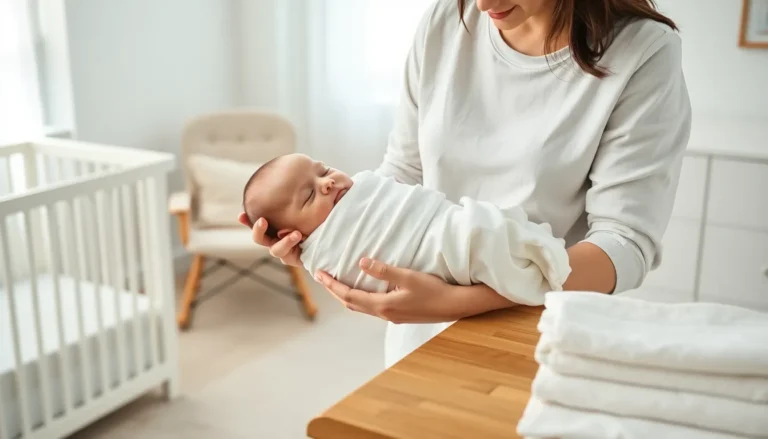
ToggleSwaddling and soothing strategies help parents calm fussy newborns and promote better sleep. These time-tested techniques mimic the snug environment of the womb, giving babies a sense of security during their first months of life. New parents often feel overwhelmed by a crying infant, but the right approach can make a significant difference.
This guide covers everything from proper swaddling techniques to additional soothing methods that work. Parents will learn why swaddling is effective, how to do it safely, and when to transition away from it. Whether dealing with a colicky baby or simply looking for better sleep solutions, these strategies offer practical help for everyday challenges.
Key Takeaways
- Swaddling recreates the womb’s snug environment, reducing the Moro reflex and helping newborns sleep longer with fewer wake-ups.
- Safe swaddling keeps arms snug but allows hips to move freely—always place swaddled babies on their backs to sleep.
- Combine swaddling with other soothing strategies like white noise, gentle rocking, and pacifiers for the best calming results.
- Stop swaddling when your baby shows signs of rolling over, typically between two and four months of age.
- Use the one-arm-out method or transitional sleep sacks to gradually wean your baby off swaddling without major sleep disruptions.
- Effective soothing strategies benefit the whole family by promoting better sleep for both babies and exhausted caregivers.
Why Swaddling Works for Newborns
Swaddling works because it recreates the tight, comforting space babies experienced in the womb. For nine months, infants lived in a warm, contained environment. The outside world feels vast and startling by comparison.
Newborns have a strong startle reflex called the Moro reflex. This involuntary movement causes babies to throw their arms outward suddenly, often waking themselves up. Swaddling keeps arms contained, which reduces these startling movements and helps babies stay asleep longer.
Research supports swaddling as an effective soothing strategy. A study published in Pediatrics found that swaddled infants slept more and woke less frequently than unswaddled babies. The snug wrap also helps regulate body temperature and reduces crying episodes.
Swaddling activates a calming response in newborns. Dr. Harvey Karp, author of “The Happiest Baby on the Block,” identifies swaddling as one of the five S’s that trigger this natural calming mechanism. The gentle pressure provides constant sensory input that helps babies feel secure.
Parents also benefit from swaddling and soothing strategies. A calmer baby means more rest for caregivers. This improved sleep quality helps parents recover from childbirth and adjust to their new responsibilities with less stress.
How to Swaddle Your Baby Safely
Safe swaddling requires proper technique and attention to a few key details. Done incorrectly, swaddling can pose risks to infant health. Done right, it becomes a valuable soothing strategy for the whole family.
Step-by-Step Swaddling Technique
- Lay a thin blanket in a diamond shape on a flat surface
- Fold the top corner down about 6 inches
- Place the baby face-up with shoulders just below the fold
- Straighten the left arm and wrap the left side of the blanket across the body, tucking it under the right side
- Fold the bottom corner up over the feet
- Straighten the right arm and wrap the remaining corner across the body
The finished swaddle should be snug around the arms but loose around the hips. Babies need room to bend their legs up and out at the hips. Tight swaddling around the legs can cause hip dysplasia.
Safety Guidelines
Always place swaddled babies on their backs to sleep. This position reduces the risk of sudden infant death syndrome (SIDS). Never place a swaddled baby face-down or on their side.
Check the swaddle tightness regularly. Parents should be able to fit two to three fingers between the blanket and the baby’s chest. Overheating is a concern, so use lightweight, breathable fabrics and avoid heavy blankets.
Stop swaddling immediately when babies show signs of rolling over. This typically happens around two to four months of age. A swaddled baby who rolls to their stomach cannot use their arms to reposition themselves, which creates a suffocation risk.
Pre-made swaddle products offer convenience and consistent results. Velcro wraps and zipper swaddles make the process easier, especially for tired parents in the middle of the night.
Effective Soothing Techniques Beyond Swaddling
Swaddling works well, but it’s just one tool in the soothing toolkit. Some babies respond better to other methods, and combining techniques often produces the best results.
White Noise and Shushing
The womb was surprisingly loud. Constant sounds from blood flow and digestive processes created a consistent backdrop of noise. White noise machines or shushing sounds recreate this familiar environment. Many parents find that a steady “shhhh” sound calms a crying baby within minutes.
Rhythmic Movement
Gentle swinging, rocking, or swaying motions help soothe fussy infants. The movement reminds babies of the motion they felt while their mother walked during pregnancy. Baby swings, rocking chairs, and even car rides use this principle effectively.
Sucking
Sucking is a natural calming reflex for babies. Pacifiers, fingers, or nursing all satisfy this need. Non-nutritive sucking helps babies self-soothe and can reduce crying significantly. The American Academy of Pediatrics notes that pacifier use during sleep may also reduce SIDS risk.
The Side or Stomach Position (While Held)
Holding a baby on their side or stomach can calm them quickly. This position should only be used while actively holding the baby, never for sleep. The pressure against the belly can relieve gas discomfort and provide comfort.
Combining Soothing Strategies
The most effective approach combines multiple techniques. A parent might swaddle a fussy baby, turn on white noise, and rock gently, all at once. This layered approach addresses different sensory needs simultaneously and often works when single methods fail.
When to Stop Swaddling and Transition Tips
Every baby eventually outgrows swaddling. Knowing when and how to stop prevents sleep disruptions and keeps infants safe.
Most experts recommend stopping swaddling when babies show signs of rolling over. This typically occurs between two and four months of age. Some babies roll earlier, so parents should watch for increased mobility and attempts to flip from back to front.
Other signs that swaddling should end include:
- Baby consistently breaks free from the swaddle
- Increased fussiness when swaddled
- Baby fights being wrapped up
- Decreased startle reflex
Transition Strategies
Sudden changes can disrupt sleep patterns. A gradual transition works better for most families.
One arm out method: Start by leaving one arm free while keeping the other arm and torso wrapped. After a few nights, leave both arms out. Finally, remove the swaddle entirely.
Transitional products: Sleep sacks and wearable blankets provide warmth and some containment without restricting arm movement. These products bridge the gap between swaddling and regular sleepwear.
Timing matters: Begin the transition during a calm period. Avoid major changes during illness, travel, or other disruptions.
Some sleep regression is normal during this transition. Babies may wake more frequently for a week or two as they adjust. Consistency helps, stick with the new approach even when nights are rough.
The soothing strategies learned during swaddling still apply after the transition. White noise, rocking, and other calming techniques continue to help babies settle without the swaddle wrap.