Table of Contents
ToggleSwaddling and soothing trends 2026 are reshaping how parents calm and comfort their babies. New materials, smart technology, and eco-conscious choices are driving major changes in this space. Parents today want products that work well, meet safety standards, and align with their values. This guide covers the key developments every parent should understand before making their next purchase.
Key Takeaways
- Swaddling and soothing trends 2026 emphasize temperature-regulating fabrics, adjustable fit systems, and organic materials like bamboo and Tencel for maximum baby comfort.
- Smart soothing technology now includes app-connected bassinets, AI-powered white noise machines, and wearable monitors that automatically respond to infant distress.
- Safety remains paramount—always follow AAP guidelines by swaddling snugly around the chest while allowing hip movement, and stop swaddling once your baby begins rolling.
- New CPSC regulations require all infant sleep products to meet federal safety standards, so check for compliance labels before purchasing.
- Eco-conscious parents can choose biodegradable materials, ethically manufactured products, and durable swaddles designed to last through multiple children.
- The swaddling and soothing trends 2026 prove that parents no longer have to choose between high-performing products and sustainable, values-driven purchasing decisions.
Emerging Swaddle Designs and Materials
Swaddle designs have evolved far beyond the basic receiving blanket. The swaddling and soothing trends 2026 show a clear shift toward adaptive, breathable materials that respond to a baby’s body temperature.
Temperature-Regulating Fabrics
Phase-change materials (PCMs) are making their way into baby swaddles. These fabrics absorb excess heat when a baby gets warm and release it when temperatures drop. Brands are now incorporating PCM technology into cotton and bamboo blends. The result? Babies stay comfortable throughout the night without parents adjusting layers.
Adjustable Fit Systems
One-size-fits-all swaddles are losing ground. New designs feature adjustable wing systems that grow with babies from 5 to 18 pounds. Hook-and-loop closures have improved significantly, they’re quieter now, so unfastening won’t wake a sleeping infant. Some swaddles include removable arm panels, allowing parents to transition babies to arms-out sleeping when they start rolling.
Weighted Swaddle Options
Gently weighted swaddles have gained popularity among parents seeking extra soothing power. These products use evenly distributed weight (typically under 10% of baby’s body weight) to mimic the sensation of being held. Pediatric sleep consultants recommend checking with a healthcare provider before using weighted sleep products, as guidelines continue to develop.
Organic and Hypoallergenic Materials
Organic cotton, bamboo viscose, and Tencel lead the material trends for 2026. Parents increasingly avoid synthetic fabrics that may irritate sensitive newborn skin. Certifications like GOTS (Global Organic Textile Standard) help shoppers identify genuine organic products.
Smart Soothing Technology on the Rise
Technology is transforming how parents soothe their babies. The swaddling and soothing trends 2026 include devices that monitor, respond, and adapt to infant needs in real time.
App-Connected Bassinets and Swings
Smart bassinets now detect when a baby fusses and automatically increase rocking motion or white noise. Parents control settings from their smartphones, adjusting bounce intensity, sound volume, and sleep timers without entering the nursery. Some models track sleep patterns over weeks, giving parents data to identify what works best.
White Noise Evolution
Basic white noise machines are out. The latest devices offer layered soundscapes, think heartbeat sounds mixed with gentle rain or womb-like whooshing. AI-powered options learn which sounds calm a specific baby and adjust output accordingly. Portable versions clip to strollers and car seats, providing consistent soothing on the go.
Wearable Monitoring Integration
Smart socks and chest bands now sync with soothing devices. If a baby’s heart rate or breathing pattern suggests distress, connected systems can trigger calming responses automatically. Parents receive alerts on their phones, adding peace of mind during overnight sleep.
Voice-Activated Features
Hands-free operation has become standard. Parents can tell their smart speaker to start the swing or play lullabies while holding a fussy baby. Integration with Amazon Alexa, Google Home, and Apple HomeKit makes nursery management seamless.
The swaddling and soothing trends 2026 reflect parent demand for products that reduce stress and support better sleep, for babies and adults alike.
Safety Standards and Best Practices
Safety remains the top priority for any swaddling and soothing product. Updated guidelines and stricter regulations are shaping what parents can expect in 2026.
Updated Safe Sleep Recommendations
The American Academy of Pediatrics (AAP) continues to recommend placing babies on their backs on firm, flat surfaces. Swaddles should fit snugly but allow hip movement. Parents should stop swaddling once babies show signs of rolling, typically around 2 to 4 months.
New CPSC Regulations
The Consumer Product Safety Commission has tightened standards for infant sleep products. As of 2024, all products marketed for infant sleep must meet federal safety standards. This includes swaddle pods, sleep sacks, and weighted wearables. Parents should look for CPSC compliance labels before purchasing.
Proper Swaddling Technique
Even the best swaddle won’t help if used incorrectly. Key points:
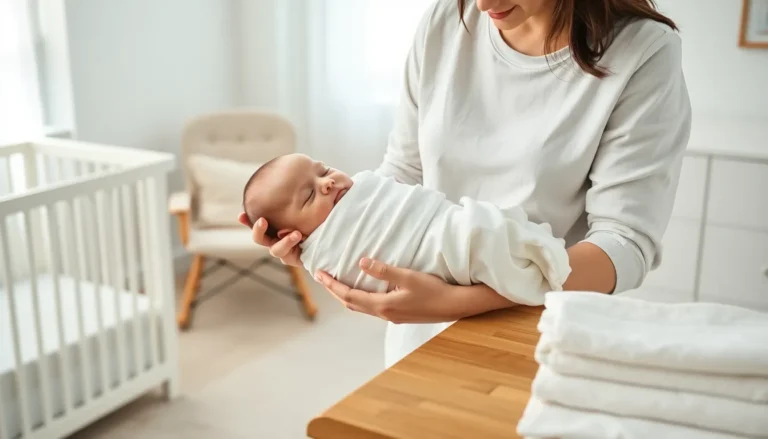
- The swaddle should be snug around the chest but loose around the hips
- Babies need room to bend their legs up and out
- Fabric should never cover the baby’s face or neck
- Stop swaddling immediately when rolling begins
Avoiding Overheating
Overheating increases SIDS risk. Parents should dress babies in one layer under the swaddle and keep room temperature between 68°F and 72°F. Signs of overheating include sweating, damp hair, flushed cheeks, and rapid breathing.
Staying current with swaddling and soothing trends 2026 means prioritizing products that meet the latest safety benchmarks.
Sustainable and Eco-Friendly Options
Environmental concerns are influencing purchasing decisions. Many parents now seek swaddling and soothing products that minimize ecological impact.
Biodegradable and Recyclable Materials
Brands are introducing swaddles made from biodegradable plant fibers. Packaging has shifted toward recycled cardboard and compostable plastics. Some companies offer take-back programs, recycling old swaddles into new products or playground surfaces.
Ethical Manufacturing
Fair trade certifications and transparent supply chains matter to today’s parents. Brands that publish factory audits and worker welfare reports gain consumer trust. Look for B Corp certification as an indicator of social and environmental responsibility.
Durability Over Disposability
High-quality swaddles that last through multiple children reduce waste. Reinforced stitching, colorfast dyes, and machine-washable construction extend product life. Buying fewer, better items costs less over time and keeps textiles out of landfills.
Local and Small-Batch Production
Small businesses producing swaddles domestically have grown in popularity. Shorter shipping distances mean lower carbon footprints. Many local makers use deadstock fabric or upcycled materials, adding another sustainability layer.
The swaddling and soothing trends 2026 show that eco-friendly choices don’t require sacrificing quality or function. Parents can find products that comfort their babies and protect the planet.