Table of Contents
ToggleSwaddling and soothing are two of the most effective methods parents use to calm a fussy baby. These techniques have been practiced for centuries across cultures worldwide. Swaddling involves wrapping an infant snugly in a blanket, while soothing refers to various methods that help babies relax and settle. New parents often feel overwhelmed when their newborn cries, but understanding these simple practices can make a real difference. This guide explains what swaddling and soothing are, why they work, and how to use them safely with your little one.
Key Takeaways
- Swaddling involves wrapping a baby snugly in a blanket to mimic the womb, reducing the startle reflex and promoting longer, more peaceful sleep.
- Soothing techniques like the “5 S’s” method—swaddling, side position, shushing, swinging, and sucking—work together to calm fussy babies effectively.
- Safe swaddling requires placing babies on their backs, keeping hips loose, using breathable fabric, and stopping once baby shows signs of rolling (around 2-4 months).
- Research shows swaddling and soothing can reduce infant crying by up to 28% and help colicky babies feel more secure.
- Transition out of swaddling gradually by first leaving one arm out, then both arms, before switching to a sleep sack or wearable blanket.
Understanding Swaddling
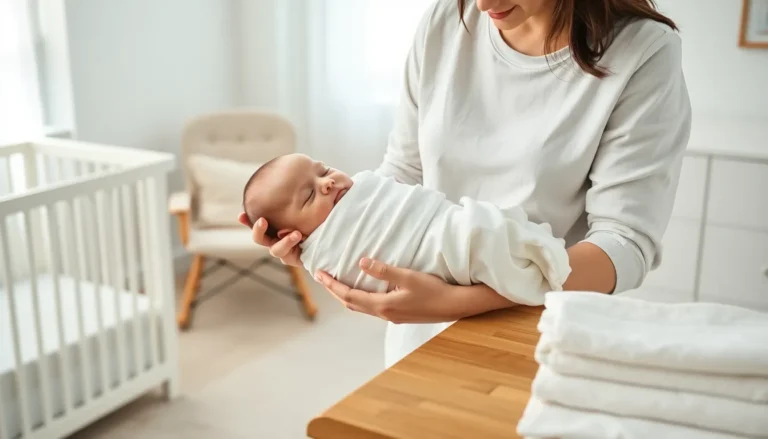
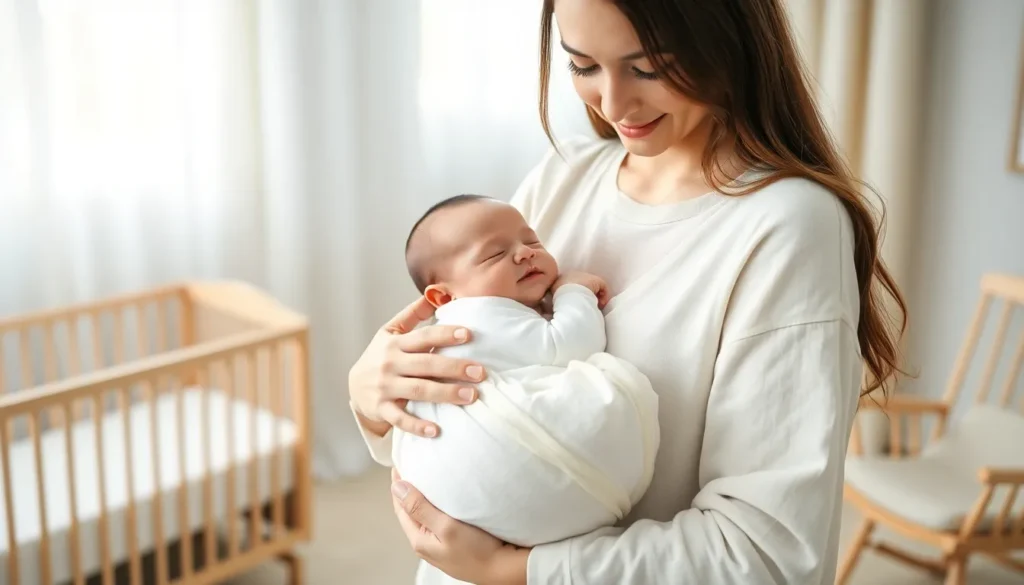
Swaddling is the practice of wrapping a baby securely in a thin blanket or cloth. The wrap keeps the infant’s arms close to their body and creates a snug, cocoon-like feeling. This technique mimics the tight space of the womb, which babies find comforting during their first months of life.
The practice dates back thousands of years. Ancient cultures in Europe, Asia, and the Americas all used some form of swaddling. Today, hospitals often swaddle newborns immediately after birth to help them stay warm and calm.
Swaddling works because it addresses a reflex called the Moro reflex, or startle reflex. Newborns often jerk their arms suddenly during sleep, which wakes them up. A proper swaddle keeps arms contained, reducing these sudden movements. As a result, babies tend to sleep longer and more peacefully.
Not every baby enjoys being swaddled. Some infants prefer to have their arms free from birth. Parents should watch their baby’s cues and adjust accordingly. If a baby consistently fights against the swaddle, it may be time to try a different approach.
Benefits of Swaddling Your Baby
Swaddling offers several benefits for both babies and parents. Here are the main advantages:
Better Sleep
Swaddled babies often sleep longer stretches. The snug wrap prevents the startle reflex from waking them. Studies show that swaddled infants spend more time in quiet sleep compared to unswaddled babies.
Reduced Crying
A well-swaddled baby typically cries less. The gentle pressure of the blanket provides comfort and security. Research published in Pediatrics found that swaddling can decrease crying by up to 28% in some infants.
Temperature Regulation
Newborns struggle to regulate their body temperature. A light swaddle blanket helps keep them warm without overheating, as long as parents use breathable fabrics and avoid excessive layers.
Easier Feeding
Some parents find that swaddling helps during feeding sessions. A calm, swaddled baby may latch better and feed more effectively. But, skin-to-skin contact is still recommended for breastfeeding when possible.
Comfort for Colicky Babies
Babies with colic often respond well to swaddling combined with other soothing methods. The secure feeling can help reduce the intensity of crying episodes.
How to Swaddle Safely
Safe swaddling requires proper technique. Follow these steps:
- Lay a thin blanket flat in a diamond shape. Fold the top corner down about six inches.
- Place your baby face-up on the blanket with their neck at the folded edge.
- Straighten your baby’s left arm and pull the left side of the blanket across their body. Tuck it under their right side.
- Fold the bottom of the blanket up over their feet, leaving room for leg movement.
- Straighten their right arm and wrap the remaining blanket across their body. Tuck it securely.
Safety Guidelines
- Always place a swaddled baby on their back to sleep. Never place them on their side or stomach.
- Keep the swaddle loose around the hips. Tight swaddling of the legs can cause hip dysplasia.
- Use lightweight, breathable fabric to prevent overheating.
- Stop swaddling once your baby shows signs of rolling over, usually around 2-4 months.
- Check that the swaddle isn’t too tight around the chest. You should be able to fit two fingers between the blanket and your baby’s chest.
- Never cover your baby’s face or head with the blanket.
The American Academy of Pediatrics recommends swaddling as a safe sleep practice when done correctly.
Effective Soothing Techniques
Swaddling works best when combined with other soothing techniques. Pediatrician Dr. Harvey Karp popularized the “5 S’s” method, which many parents find effective:
1. Swaddling
As discussed, a snug wrap helps babies feel secure and reduces the startle reflex.
2. Side or Stomach Position (While Held)
Holding a baby on their side or stomach can calm them quickly. This position should only be used while the parent is awake and holding the baby, never for sleep.
3. Shushing
A loud, continuous “shhhh” sound mimics the noise babies hear in the womb. White noise machines or apps can also work well. The sound should be as loud as your baby’s crying, then gradually lowered as they calm down.
4. Swinging
Gentle, rhythmic motion soothes most babies. Parents can sway side to side, use a baby swing, or take a car ride. The movement reminds babies of the motion they felt before birth.
5. Sucking
Offering a pacifier or allowing a baby to suckle can activate their calming reflex. Sucking releases soothing hormones and helps babies self-regulate.
Additional Soothing Methods
- Skin-to-skin contact: Holding your baby against your bare chest regulates their heart rate and temperature.
- Warm baths: A gentle bath before bedtime can relax a fussy baby.
- Massage: Light, circular strokes on the belly, back, or legs can ease discomfort.
- Walking or rocking: The combination of motion and parental closeness works wonders.
When to Stop Swaddling
Parents should stop swaddling their baby once the infant starts trying to roll over. This typically happens between 2 and 4 months of age, though some babies develop this skill earlier.
Rolling while swaddled poses a suffocation risk. A baby who rolls onto their stomach but can’t use their arms to push up or reposition themselves is in danger. Watch for these signs that it’s time to stop:
- Your baby breaks out of the swaddle consistently
- Your baby shows signs of rolling (arching back, turning to one side)
- Your baby seems frustrated or fights against the wrap
- Your baby has outgrown the swaddle blanket
Transitioning Out of Swaddling
Cold turkey isn’t the only option. Many parents transition gradually:
- Start by leaving one arm out of the swaddle for a few nights
- Then leave both arms out while keeping the chest wrapped
- Finally, remove the swaddle entirely
Sleep sacks or wearable blankets offer a good alternative after swaddling ends. These keep babies warm without restricting arm movement.